Crop guide · Vegetables
How to grow potatoes in containers: bucket method, grow bags, and when to stop hilling
Potatoes give more food per container than almost anything else you can grow, and harvesting means tipping the bag out rather than digging. This guide covers which varieties suit pots, the 10-gallon container they need, how hilling works and when to stop, and what to watch for along the way.
- Container
- 10 gal minimum
- Three seed potatoes per bag; 15–20 gal for five
- Sun
- Full sun
- Six or more hours for good-sized tubers
- Water
- Steady
- Most important from flowering onwards
- Harvest
- 70–110 days
- Earlies first, maincrop nearer 110
Varieties that work: Yukon Gold · Red Norland · Charlotte · Fingerlings such as Russian Banana. Trickier in pots: Large russets and other long-season maincrops (need more room and time than a bag gives).

Quick answer
Use a 10-gallon or larger container with drainage, put three seed potatoes on 4 inches of potting mix, cover them with another 4 inches, and add more mix as the shoots grow until the container is full. Keep the mix evenly moist, especially once the plants flower, and stop adding mix at that point. Early varieties are ready in about 70 days, maincrop nearer 110. Harvest by tipping the whole container out.
Why potatoes suit containers
Potatoes are one of the best crops for a container. The plant forms its tubers along the buried stem, so a deep pot filled in stages gives it exactly the conditions it wants. There is no digging at harvest, the tubers come out clean, and you avoid most of the soil-borne problems that build up when potatoes are grown in the same bed year after year. Three seed potatoes in a 10-gallon grow bag will usually give you four to six pounds of potatoes, which is more weight per container than any other crop on this site.
Choosing varieties
Potatoes are sold as first earlies, second earlies and maincrops, which describes how long they take rather than when you plant them. For containers, earlies and second earlies are the better choice: they are ready in 70 to 90 days, the plants stay smaller, and they are finished before the worst of the summer heat and blight season.
| Variety | Type | Days | Notes |
|---|---|---|---|
| Yukon Gold | Second early | 80–90 | Yellow flesh, good all-rounder, reliable in bags |
| Red Norland | First early | 70–80 | Red skin, white flesh, one of the quickest |
| Charlotte | Second early | 85–95 | Waxy salad potato, very productive in containers |
| Russian Banana | Fingerling | 95–105 | Small, waxy, excellent flavor, suits a 15-gallon bag |
| Kennebec | Maincrop | 100–110 | Works if you have a 20-gallon container and patience |
| Russet Burbank | Maincrop | 120+ | Better in open ground; needs more room and time than a bag gives |
Buy certified seed potatoes rather than planting supermarket ones. Seed potatoes are grown to be free of the viruses that reduce yield, and supermarket potatoes are often treated to stop them sprouting.
Container size
Ten gallons is the practical minimum for three seed potatoes, and 15 to 20 gallons lets you plant five. A 5-gallon bucket will grow one plant, but the yield is small and it dries out fast, so if you only have buckets, plant one seed potato per bucket and expect a pound or two.
Depth matters as much as volume, because the tubers form along the buried stem. Look for a container at least 16 inches deep. Fabric grow bags are the easiest option: they are deep, light, drain freely, and you can tip them out at harvest. Plastic potato towers and stacking planters work on the same principle. Whatever you use needs drainage holes, since potatoes rot in waterlogged mix.
Planting
Potatoes go in two to four weeks before your last frost date, once the mix is no longer cold to the touch. Start by chitting the seed potatoes: stand them in a tray in a cool, light room for two to three weeks until they have short, stubby green sprouts. This is optional, but it gets earlies off to a faster start.
- Put 4 inches of potting mix in the bottom of the container. Mixing in a handful of balanced granular fertilizer at this stage saves feeding later.
- Set the seed potatoes on the mix, sprouts up, evenly spaced. Three in a 10-gallon bag, five in a 20-gallon one.
- Cover with another 4 inches of mix and water well.
- Put the container somewhere with six or more hours of sun. Once filled, it will be heavy, so choose the spot now.
Seed potatoes larger than a hen's egg can be cut into pieces with two or three sprouts each, left to dry for a day so the cut surface seals, and planted the same way.
Hilling, and when to stop
Hilling means adding mix around the stems as they grow, which gives the plant more buried stem to form tubers on and keeps the developing potatoes covered and out of the light. Each time the shoots are about 6 to 8 inches tall, add mix until only the top few inches of leaf show. Repeat until the container is full. In a 10-gallon bag that is usually two or three rounds over four to six weeks.
Stop hilling once the plants flower. By then the plant has set the tubers it is going to set, and burying more stem only costs leaves. From flowering onwards the job is keeping the mix evenly moist while the tubers swell.
Worth knowing
Any tuber that pushes up into the light turns green, and green potatoes contain solanine, which is bitter and mildly toxic. If you see green skin at the surface, cover it with an inch of mix or a mulch. Cut away any green parts before cooking, and discard potatoes that are green all the way through.
Watering and feeding
Potatoes want the mix evenly moist without being wet. Dry spells while the tubers are forming, from flowering onwards, are the most common reason for a small crop, and big swings from dry to soaked can cause hollow or cracked tubers. In summer that usually means checking every day and watering most days, until water runs from the base. A mulch of straw on the surface helps a great deal in a sunny spot.
A balanced feed at planting carries the plants through the early weeks. Once they flower, a liquid feed every two weeks with more potassium than nitrogen (a tomato feed is ideal) supports tuber growth. Too much nitrogen late on gives you a lot of leaf and not many potatoes.
Common problems
| What you see | What it usually is | What helps |
|---|---|---|
| Leaves yellowing and dying back from the bottom | Normal ripening if the plant has flowered and it is late in the season; otherwise, underwatering | Check the mix; if it is dry an inch down, water more consistently |
| Dark blotches on leaves, spreading fast in warm, damp weather | Late blight | Remove affected leaves at once; if it spreads, cut the plants to the ground and harvest what is there after two weeks |
| Rough, scabby patches on the skin | Common scab, worse in dry, alkaline mix | Cosmetic only; keep the mix moist and avoid adding lime |
| Small tubers, lots of leaf | Too much nitrogen, too little sun, or harvested too early | Switch to a potassium-rich feed, check sun hours, wait |
| Holes and tunnels in tubers | Slugs or wireworm | Harvest promptly once ready; fresh mix each year helps |
| Green skin | Light reaching the tubers | Cover with mix or mulch, cut away green before eating |
Harvest
Earlies are ready when the plants flower and the lower leaves start to yellow, around 70 to 90 days from planting. You can feel around in the top of the bag for a few new potatoes while leaving the rest to grow. For the full crop, wait until the foliage has died back, then tip the container onto a tarp and pick through the mix. Leave the potatoes to dry on the surface for an hour or two, brush off the mix, and store them somewhere cool and dark. Do not wash them until you are ready to cook.
Maincrops are ready when the foliage has completely died down, usually 100 to 110 days. For potatoes that will store, let the tubers sit in the mix for a week or two after the foliage dies so the skins set.
The spent mix is fine to reuse for flowers or leafy crops, but start potatoes and tomatoes in fresh mix next year, since they share diseases that can carry over.
Common questions
Can I grow potatoes in a 5-gallon bucket?
Yes, one seed potato per bucket, and expect a pound or two. Drill plenty of drainage holes, and be ready to water daily in summer, since a 5-gallon bucket dries quickly. A 10-gallon bag is a better use of the same effort.
Can I plant potatoes from the supermarket?
They will often grow, but supermarket potatoes may carry viruses that reduce the crop and are sometimes treated to suppress sprouting. Certified seed potatoes cost little and are far more reliable.
How many potatoes will I get from one bag?
Three seed potatoes in a 10-gallon bag usually give four to six pounds, depending on the variety, the sun, and how steady the watering was from flowering onwards.
Can I grow a second crop in the same season?
In many climates, yes. Plant earlies in spring for a July harvest, then plant a second batch in midsummer for a fall crop. Use fresh mix for the second batch.
Why did my potatoes all come out tiny?
The usual causes are not enough sun, dry spells while the tubers were forming, or harvesting before the plants had finished. Check the hours of sun first; potatoes want six or more.
Read next
All vegetables guides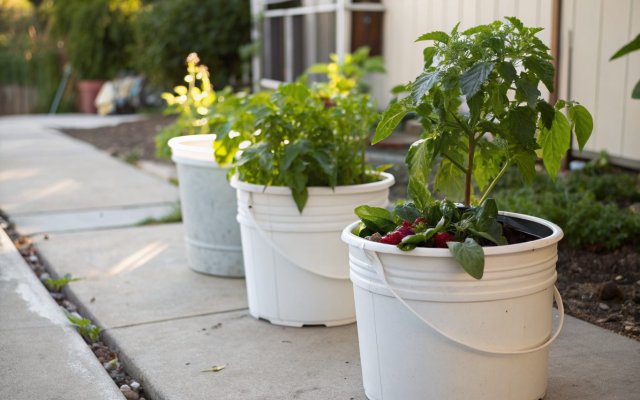

About the author
Carsten
Hi, I'm Carsten. My garden is paved over, so there is no soil to plant into and everything I grow lives in a container. I started this site to find out how much is possible that way, and I use it to share what I learn about choosing containers, growing useful plants in small spaces, and making gardening work for different homes and different bodies. Questions, corrections and photos of your pots are all welcome. say hello.