
 Ergonomic tools
Best ergonomic shovel: Radius Root Slayer vs Fiskars, and what to look for
O-grip · 4–5 lb · Full-size 6 min
Working heights and reach distances for seated or standing gardening, tools that need less grip, and containers you can plant without bending.
1 guide Ergonomic tools Updated through the growing season
A container garden can be set up so that nothing in it asks you to kneel on the ground, lift a 40 lb bag of compost, or squeeze a pair of pruners a hundred times in an afternoon. What makes that work is a handful of measurements: working height, reach, path width, and how much grip a tool needs.
So this section is mostly numbers: the working heights and reach distances that make a container comfortable to plant, the clear width a path needs, and how much grip a tool asks for. Ratchet and geared pruners, for instance, cut the force a cut takes by roughly half, and containers at waist height on a sturdy stand do most of what a purpose-built raised bed does, at a lower cost.
How this section is built: I don't garden from a wheelchair and I don't have arthritis, so these guides are built from primary sources, including Arthritis Foundation and AARP guidance and ADA reach and height ranges, and checked with people who garden seated. Where a recommendation has not been tried by someone who uses it daily, the page says so.
Setting up
Before buying anything, measure the height that is comfortable for you to work at. Seated, a planting surface at around 24 inches usually works well; standing, about 30 inches.
Aim to reach no more than about 24 inches from where you sit or stand. A container you can come at from two sides halves the distance to the middle of it.
Paths between containers want about 36 inches of clear width and a firm, even surface. Set everything out and try the route before you fix anything in place.
Weight and grip matter more than length here. Look for larger-diameter padded handles, a shaft light enough to lift one-handed, and pruners with a ratchet or gear that does part of the squeeze.
Ergonomic shovelsPots on a sturdy bench, table or stand put the mix where you can reach it without bending. A lighter potting mix keeps the filled container easier to move.
Accessible gardening guides
Ergonomic tools
O-grip · 4–5 lb · Full-size 6 min
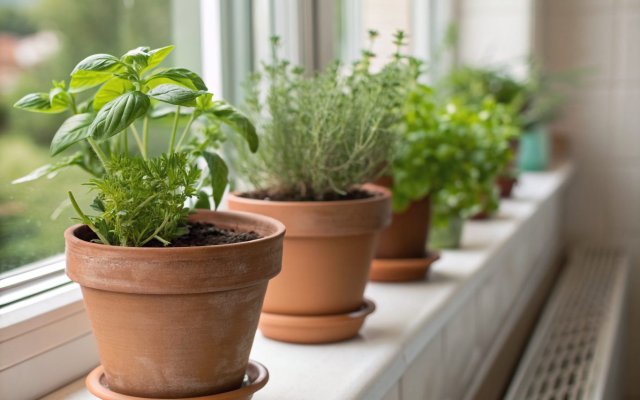 Herbs
Herbs
1–3 gal · 4–6 h sun 6 min
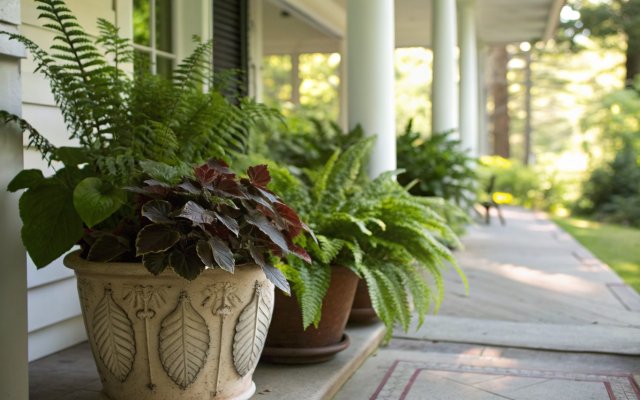 Light & placement
Any size · 2–4 h sun 5 min
Your space
This month · October
Late summer asks a little more of a container garden than midsummer does. Here are four things worth doing this week, each with the guide behind it.

Free download
41 vegetables, herbs and fruits, each with a minimum pot size in gallons. Print it and keep it near your pots. One email every other week, no spam, unsubscribe anytime.